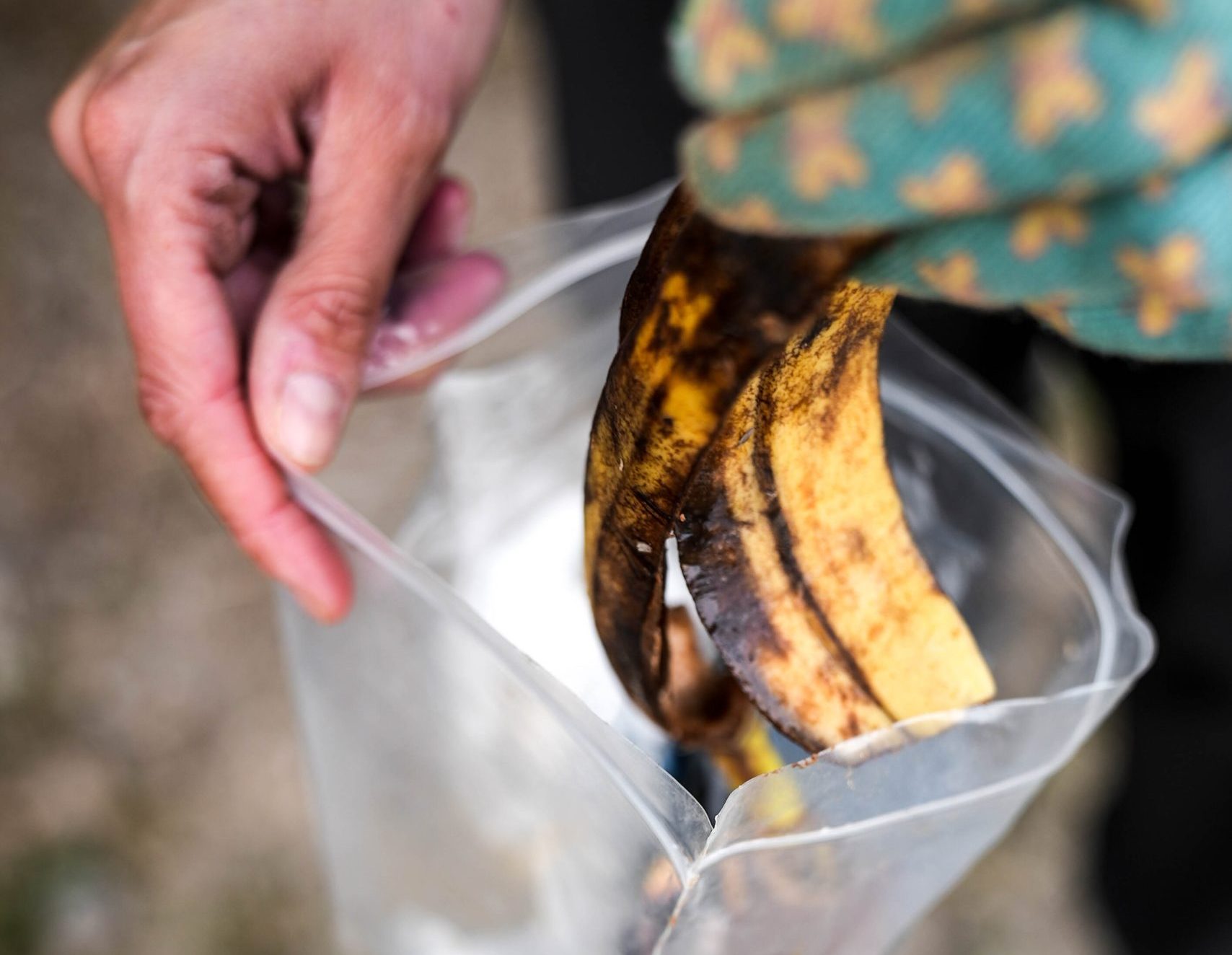
It is important not to leave rubbish or any item that could pollute the environment. Some items take years to degrade. Additionally, by depositing them in the appropriate container, you make their management easier and you follow the Best Practices.
Problems it can cause
The consequences of littering in nature, whether intentionally or unintentionally, are numerous. Chemical compounds from cigarette butts affecting the environment, animals dying from ingesting plastics, fires caused by the self-combustion of a glass bottle, water pollution from the chemicals used in clothing production or waste abandonment, among others, are many of the impacts we can see.
Best practices
By following some of these recommendations, we can reduce many of these direct impacts on the environment:
Always take any waste you generate with you. Be careful not to leave anything behind during your stops.
Do not litter organic material either; they also take time to decompose and can be a food source for some animals and thus alter the food chain of the area.
If you need to answer a call of nature, take your wet wipes and toilet paper with you; they also contribute to pollution.
Mountain shelters and other facilities in natural areas should not have to manage your waste. Do not leave your rubbish there. Take it to the bins in nearby towns.
Aquest lloc web utilitza galetes (cookies) pròpies per millorar l’experiència de navegació i oferir continguts d’interès. Per continuar la navegació cal acceptar la nostra política de galetes.