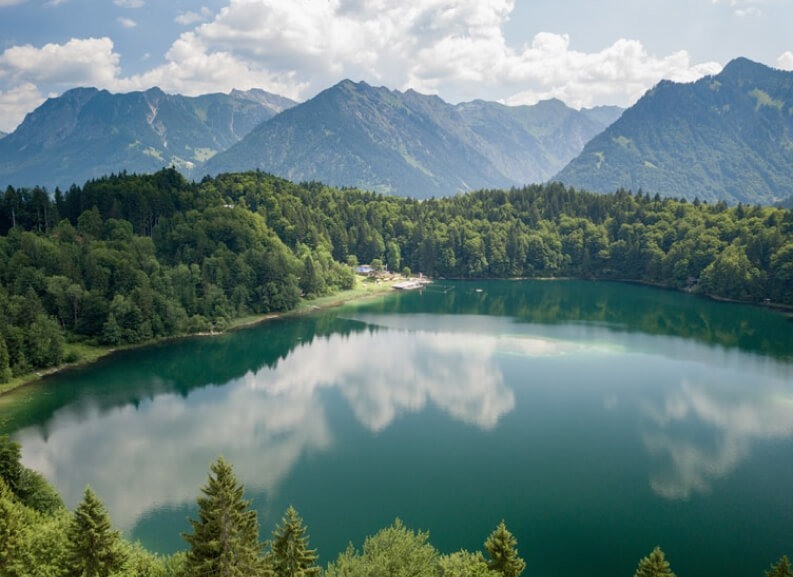
Minimise swimming in rivers, lakes and streams and avoid using sunscreen
Although it may sound strange to you, do not put on sunscreen if what you are going to do is cool off in a river, lake or pool. These creams pollute the water and are very harmful, generate a fat film that hinders the oxygenation of the water and negatively affect the fauna that lives there, put it on when you have finished in the water. Respect bathing regulations or limitations in areas where it is not prohibited.
Problems it can cause
This seemingly harmless activity can have very negative consequences for the aquatic ecosystem... The sunscreens and insect repellents that we have on our skin dissolve in the water when we swim, polluting the waters and seriously impacting their inhabitants, especially amphibians.
Creating small dams with stones or altering the natural course of rivers to create bathing areas also has an impact on the flora and fauna present (especially for small invertebrates) and can become true physical barriers for some organisms.
We are also a transmission vector for diseases that affect amphibians, some of which are extremely deadly. If we or our dogs swim in different water points, or step on them with our shoes, we can transport bacteria, viruses and fungi.
Best practices
High mountain rivers and lakes are particularly fragile ecosystems, where bathing is prohibited.
Avoid letting sunscreen and/or insect repellent or other chemicals, such as soap, come into contact with the water. This also includes washing ourselves with soap on the banks, or washing clothes or kitchen utensils.
Do not make any modifications to the ecosystem (avoid building dams, dykes or pools that alter the flow and/or trajectory of the water).
Aquest lloc web utilitza galetes (cookies) pròpies per millorar l’experiència de navegació i oferir continguts d’interès. Per continuar la navegació cal acceptar la nostra política de galetes.