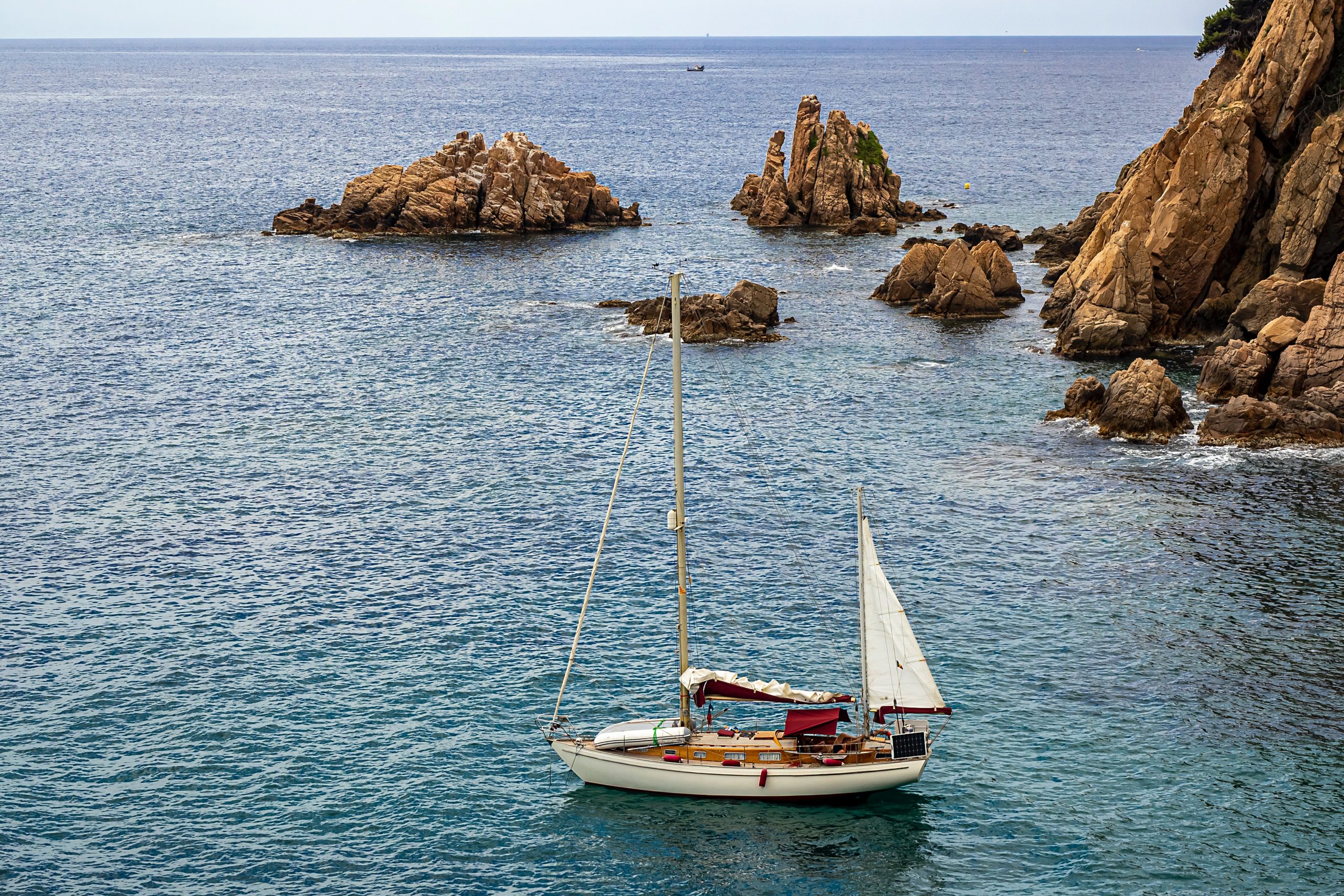
Irresponsible anchoring a boat in natural areas can have negative impacts on the environment. Help us preserve the richness of our seas during your voyage
Problems it can cause
Some of the problems that irresponsible anchoring may cause include:
Damage to marine ecosystems. Anchors and chains can scratch, break or otherwise affect the organisms that make up these delicate ecosystems. Sea grass meadows are a key space for biodiversity and a refuge for many commercially valuable species. They are also very sensitive to being uprooted by anchors and chains.
Coastal erosion of beaches and coastlines. Sea grass beds protect beaches and coastlines from erosion.
The introduction of exotic species due to previous anchoring in other areas.
Increased water turbidity, which reduces sunlight penetration and thus affects photosynthetic organisms.
Best practices
Responsible anchoring is essential to minimise the environmental impact on marine natural areas:
Use anchoring buoys. This avoids the need to anchor directly on the seabed and minimises potential impacts.
Before anchoring, gather information about local regulations and restrictions in the areas you plan to visit.
Anchor only on sandy bottoms, and avoid sea grass beds.
Aquest lloc web utilitza galetes (cookies) pròpies per millorar l’experiència de navegació i oferir continguts d’interès. Per continuar la navegació cal acceptar la nostra política de galetes.